Understanding the Gut-Brain Connection and Probiotics for Anxiety
The connection between gut and brain shows a complex interplay between digestive health and emotional health. Emerging research suggests that the gut microbiome greatly influences psychological balance and anxiety. Probiotics, valued for their role in digestive wellness, may provide a pathway to improved mental states. Understanding how these microorganisms influence emotional regulation could offer valuable insights into managing anxiety. What specific mechanisms link intestinal health to anxiety relief? The answer may be unexpected.
What's the Gut-Brain Connection All About?
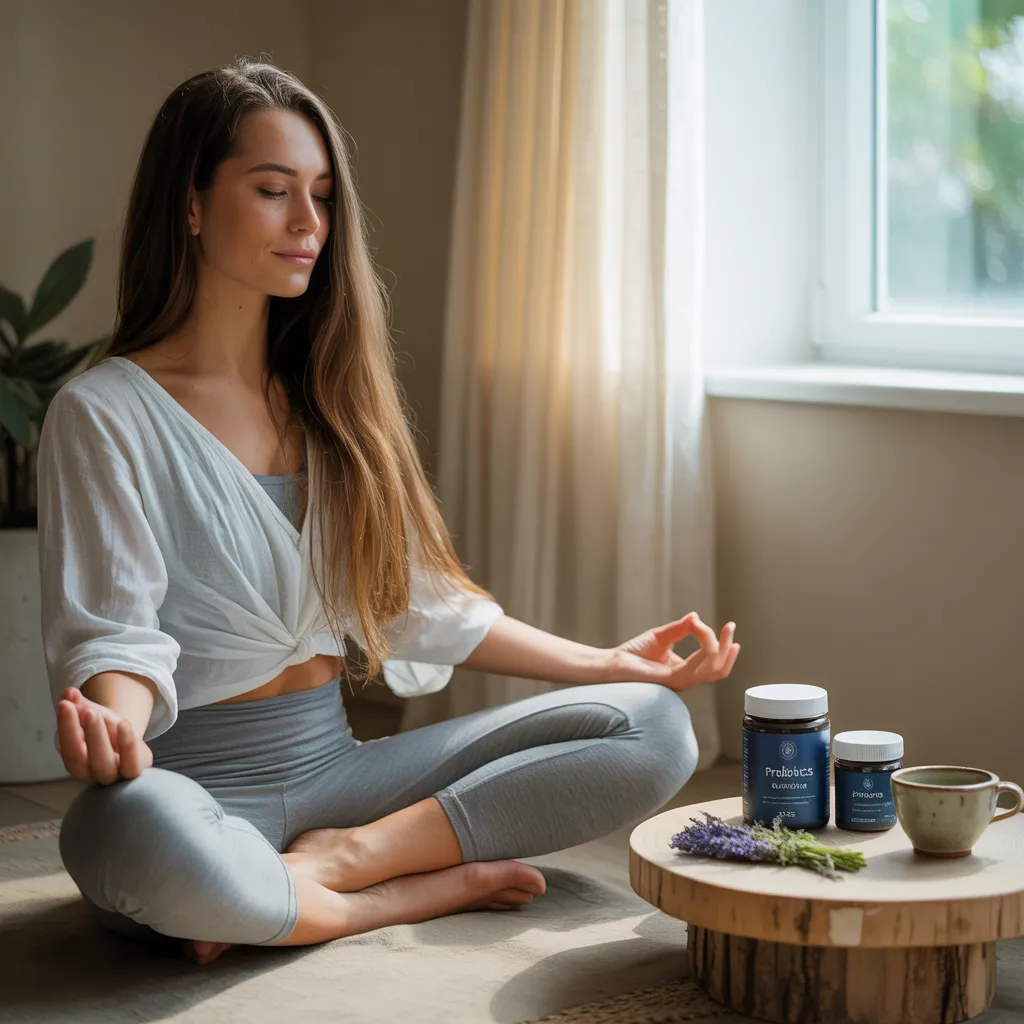
What exactly links the gut and the brain? The gut-brain connection is a sophisticated communication network comprising the central nervous system, the enteric nervous system, and the gut microbiota. This complex relationship enables the brain to influence gut function and vice versa. Signals transmit through pathways such as the vagus nerve, which is a significant conduit between the two systems.
Additionally, neurotransmitters produced in the gut, such as serotonin, play a significant role in emotional regulation and general mental health. The gut microbiome, composed of trillions of bacteria, shapes this connection by creating metabolites that can affect brain function. Alterations in gut flora can lead to affected mood and cognitive functions, demonstrating the significance of gut health. Through these several channels, the gut and brain continually interact, building a dynamic relationship that shapes both physical and psychological welfare.
How Intestinal Health Impacts Mental Well-Being
The interplay between gut health and mental well-being is increasingly recognized as an vital component of overall health. Research shows that the gut microbiome, the community of microorganisms dwelling in the digestive tract, plays a significant role in regulating mood and emotional responses. A balanced gut microbiome can produce neurotransmitters, such as serotonin, which are crucial for mood stability. Conversely, an imbalance in gut flora may cause increased inflammation and the production of stress hormones, leading to anxiety and depression.
In addition, the gut-brain axis, a signaling network between the gastrointestinal system and the brain, indicates that gut health impacts cognitive functions and emotional regulation. Individuals with gastrointestinal disorders often experience higher rates of anxiety and depression, emphasizing the importance of maintaining gut health for mental well-being. As a result, a holistic approach to health should consider the important relationship between the gut and mental state.
The Importance of Probiotics for Mental Well-Being
Although many people associate probiotics primarily with gut health, their impact on emotional wellness is getting notable attention. Research shows that the gut microbiome holds a critical role in shaping mood and emotional health. Probiotics, which are beneficial bacteria, can help stabilizing gut microbiota, possibly bringing about benefits in mental states such as anxiety and depression.
The gut-brain axis functions as a communication pathway between the intestines and the brain, implying get details that gut health directly influences psychological health. Probiotics may encourage the production of neurotransmitters like serotonin, which is essential for mood regulation. Additionally, they can regulate inflammation and stress responses, both of which are linked to mental health disorders.
As scientific investigations keep exploring these links, the value of integrating probiotics into regular schedules becomes increasingly evident for those looking to improve their general mental well-being.
How Could Probiotics Help in Reducing Symptoms of Anxiety?
Research indicates that the gut microbiome serves a crucial function in regulating mood and emotional health. Probiotics can boost the production of essential brain chemicals, such as serotonin, which are essential for reducing anxiety symptoms. Understanding this connection can give perspective on how dietary interventions may enhance mental well-being.
The Connection Between Gut Microbiome and Mood
Multiple research studies indicate a substantial link between the gut microbiome and mood regulation, emphasizing how modifications in gut health can influence anxiety levels. The gut microbiome, consisting of trillions of microorganisms, plays an critical role in the manufacturing of metabolites that alter brain function. An imbalance in these microbial communities may contribute to increased inflammation and altered gut permeability, leading to anxiety symptoms. Probiotics, which help rebuild gut health, can potentially balance mood by supporting a balanced microbiome. Through dietary interventions, individuals may experience gains in anxiety when beneficial bacteria are introduced, strengthening the idea that gut health is fundamentally connected to emotional well-being. This connection emphasizes the necessity of maintaining a healthy gut to support mental health.
Neurotransmitter Synthesis Enhancement
The digestive microbiome holds a vital position in the production of neurotransmitters, which are essential for regulating emotional state and stress. Probiotics, helpful microorganisms present in certain foods and supplements, have been shown to influence this production. Specifically, they can improve the synthesis of neurotransmitters such as serotonin and gamma-aminobutyric acid (GABA), which are recognized to reduce anxiety symptoms. By fostering a healthy balance of gut bacteria, probiotics can support ideal neurotransmitter levels, thus elevating emotional well-being. Research suggests that individuals with a diverse gut microbiome often report lower levels of anxiety. As a result, incorporating probiotics into your nutritional regimen may serve as a natural method to managing anxiety, highlighting the complex connection between gut health and mental wellness.
Types of Probiotics Beneficial for Mental Health
Probiotics serve a crucial function in promoting mental health, with multiple strains exhibiting unique benefits. Lactobacillus and Bifidobacterium are two widely studied genera connected to improved mood and decreased anxiety. Lactobacillus rhamnosus, in particular, has demonstrated promise in lowering stress-related behaviors in animal studies, implying its potential for human applications. Bifidobacterium longum may improve cognitive function and emotional regulation, promoting overall mental wellness.
Another important strain is Lactobacillus helveticus, which has been connected to lower levels of anxiety and depression in clinical research. Moreover, the strain Saccharomyces boulardii, a beneficial yeast, has been associated with gut health and may indirectly promote mental health by fostering a balanced gut microbiome. Recognizing the specific advantages of these probiotic strains can assist individuals in selecting appropriate supplements or foods to boost mental well-being, demonstrating the importance of gut health in overall psychological resilience.
Steps to Add Probiotics to Your Eating Plan
Including helpful probiotic strains into one's diet can be a simple process that enhances mental health and general well-being. One powerful method is to include cultured foods such as yogurt, kefir, sauerkraut, and kimchi, which naturally contain live cultures. These foods can effortlessly be integrated into daily meals, providing a delicious way to elevate probiotic intake. Additionally, individuals can consider taking probiotic supplements, which are available in different forms, including capsules and powders, allowing for targeted strains to address individual health needs. It is essential to pick high-quality products with adequate CFU (colony forming units) to ensure effectiveness. Steadily raising the intake of these foods or supplements can help the body adjust and maximize benefits without discomfort. Eventually, a consistent approach to adding probiotics can support gut health and, as a result, mental well-being.
Other Home Remedies for Stress and Anxiety
What are the ways people can successfully address anxiety using natural solutions? Various options exist that may offer comfort without the unwanted consequences often associated with pharmaceuticals. Herbal supplements, including chamomile, lavender, and valerian root, are widely recognized for their calming properties. These herbs can be ingested as teas, tinctures, or capsules. Awareness-based techniques, including meditation and yoga, have likewise achieved popularity for their potential to decrease anxiety and promote emotional balance.
Moreover, routine physical exercise is an proven strategy to fight anxiety, as exercise releases endorphins that elevate mood. Diet adjustments can make a difference too; incorporating omega-3 fatty acids found in fish, nuts, and seeds may benefit mental health. Lastly, ensuring adequate sleep is essential, as insufficient sleep can intensify anxiety symptoms. By adopting these natural remedies, individuals may find a complete strategy to managing their anxiety more effectively.
Frequently Asked Questions
Are Probiotics an Effective Replacement for Anxiety Medications?
Probiotics cannot fully replace anxiety medications, as they may support mental health. However, they should complement conventional treatments rather than serve as a substitute, highlighting the importance of a comprehensive approach to managing anxiety.
Do Probiotics Have Any Side Effects?
Probiotics may cause minor side effects, like bloating, gas, or digestive upset, particularly in the initial use. Most individuals handle them well, but anyone with underlying health conditions should consult with a doctor before commencing.
How Long Before Probiotics Start Working?
Probiotics commonly require one to three weeks to exhibit observable benefits, based on the person's health, the specific probiotic strain, and quantity taken. Consistency in taking them is vital for reaching optimal benefits in the long term.
Can Diet on Its Own Enhance Gut Health and Mental Well-Being?
Diet on its own can notably improve intestinal health and emotional wellness. Nutrient-packed foods, roughage, and fermented goods foster positive gut microorganisms, which subsequently can boost mental state and brain function, encouraging overall mental wellness.
Do All Probiotics Have the Same Effect on Anxiety?
Probiotics don't all produce identical effects on anxiety. Individual strains can interact with gut microbiota variably, impacting neurotransmitter synthesis and overall mental wellness. Individual responses to probiotics can also differ markedly based on personal health conditions.